Drums4Health in Schools

Transforming children’s relationship with movement through rhythm, wellbeing and inclusive physical activity.

Drums4Health is an innovative programme that transforms children’s relationship with movement by combining rhythm, music and physical activity in a way that is engaging, inclusive and energising.

At a time when many schools are facing challenges around physical inactivity, low confidence in sport and declining physical literacy, Drums4Health offers a fresh and exciting way to help pupils reconnect with movement.

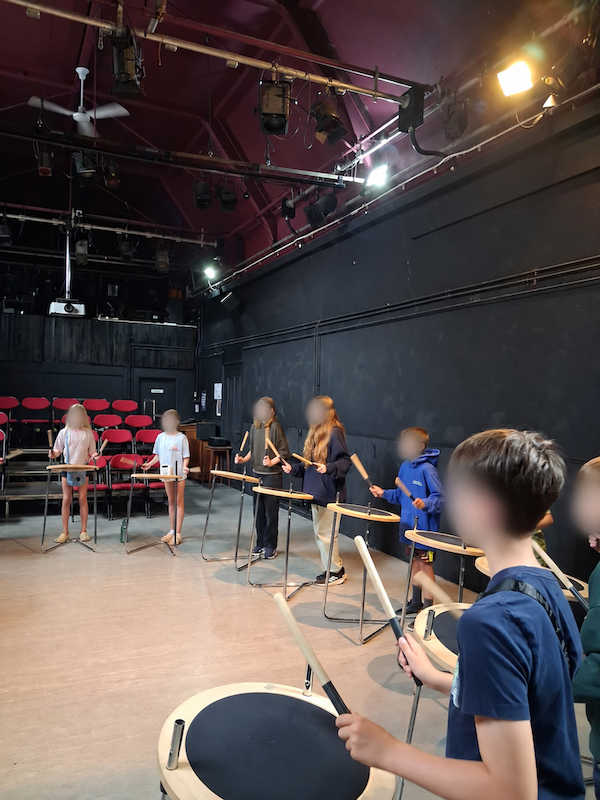
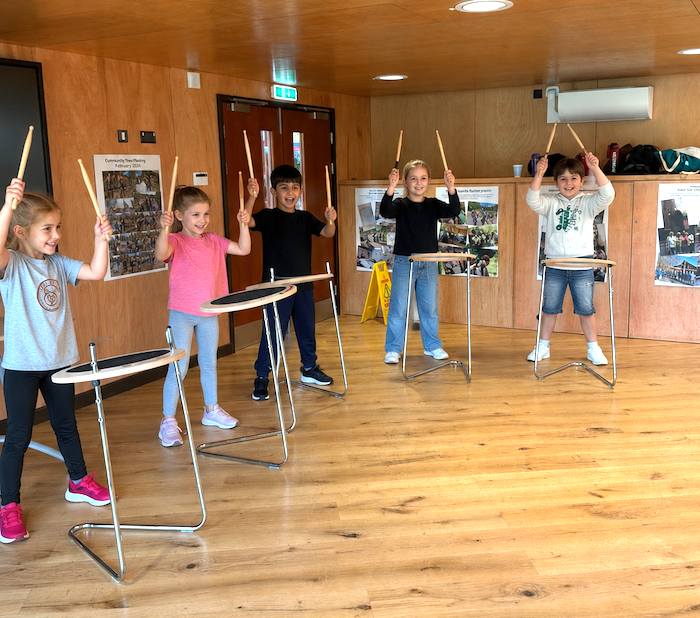
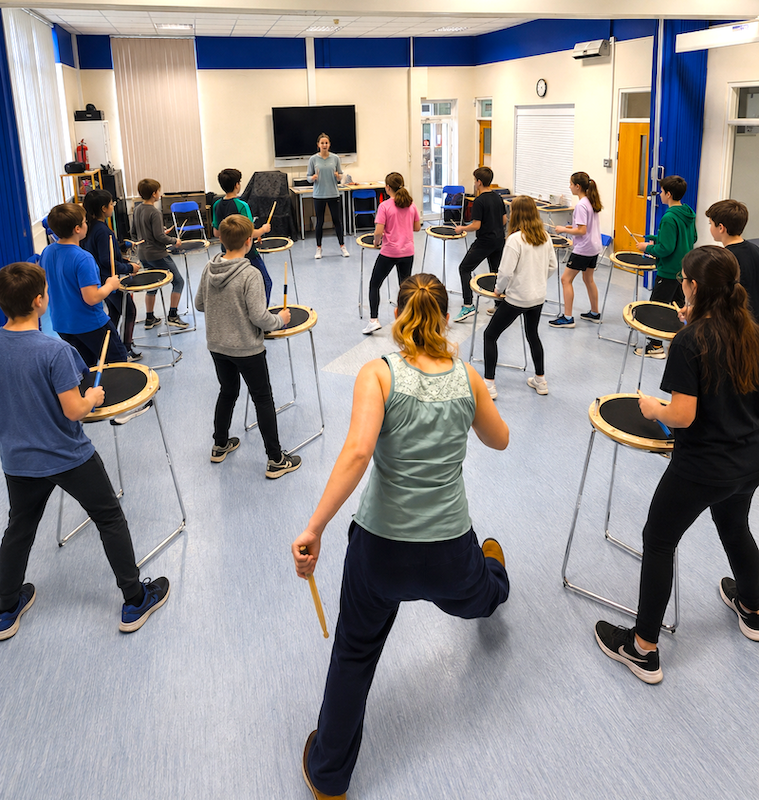
Using specially designed fitness drums, pupils take part in energetic sessions that blend exercise, rhythm and coordination, creating an experience that feels more like a shared musical event than traditional PE. The result is high levels of participation, enthusiasm and sustained engagement from pupils of all abilities.

Appealing To All Genders & Ages

Crucially, Drums4Health appeals to all genders and a wide range of ages. Because the focus is on rhythm, teamwork and collective energy rather than competitive sport, pupils who may not usually enjoy physical activity often find themselves fully involved and confident to participate.

The programme also supports brain health and wellbeing. Research shows that rhythm-based activities and coordinated movement stimulate areas of the brain linked to focus, memory, emotional regulation and cognitive development. By combining movement with rhythmic learning, Drums4Health encourages both physical and neurological engagement, helping pupils to feel energised, focused and positive.

Drums4Health sessions can be delivered standing or seated, making them accessible for mainstream schools, SEND settings and alternative provision. This flexibility ensures that every pupil can participate and experience the benefits of movement, rhythm and connection.

By bringing together music, exercise and wellbeing, Drums4Health provides schools with a powerful and inclusive way to support physical literacy, pupil engagement and whole-school wellbeing.

Why Drums4Health?

Drums4Health brings together two powerful elements known to support wellbeing and development:

Movement and music.

Research shows that both physical exercise and musical rhythm support:

  • brain development
  • coordination and motor skills
  • memory and concentration
  • emotional wellbeing
  • social connection

Drums4Health creates a learning environment where pupils are active, engaged and having fun while exercising.

Benefits For Pupils

Physical Health

  • Cardiovascular fitness
  • Coordination and balance
  • Core strength

Brain Development

  • Rhythm recognition
  • Pattern memory
  • Focus and attention

Emotional Wellbeing

  • Confidence
  • Self-expression
  • Stress release

Social Skills

  • Teamwork
  • Collaboration
  • Positive group energy

Supporting Physical Literacy, Engagement and Wellbeing

Across the UK, schools are increasingly facing the challenge of supporting pupils who are less confident in movement, less physically active and spending more time in sedentary environments. For many children, traditional sport-based approaches do not always build positive relationships with physical activity, particularly for those who feel less confident or less competitive.

Drums4Health offers schools a fresh and inclusive way to address this growing physical literacy challenge. By combining rhythm, music and movement, sessions create an environment where pupils can experience success through participation, coordination and shared energy rather than competition. This approach often engages pupils who may not usually enjoy traditional PE, helping them develop confidence, rhythm, coordination and a more positive relationship with movement.

At the same time, the rhythmic nature of the programme supports focus, emotional regulation and wellbeing. Many teachers report that rhythm-based movement activities help pupils settle more quickly, improve attention and return to learning feeling calmer and more energised.

In this way, Drums4Health supports not only physical activity, but also the wider goals of schools in promoting healthy, confident and engaged learners.